
What Are Oral Food Challenges?
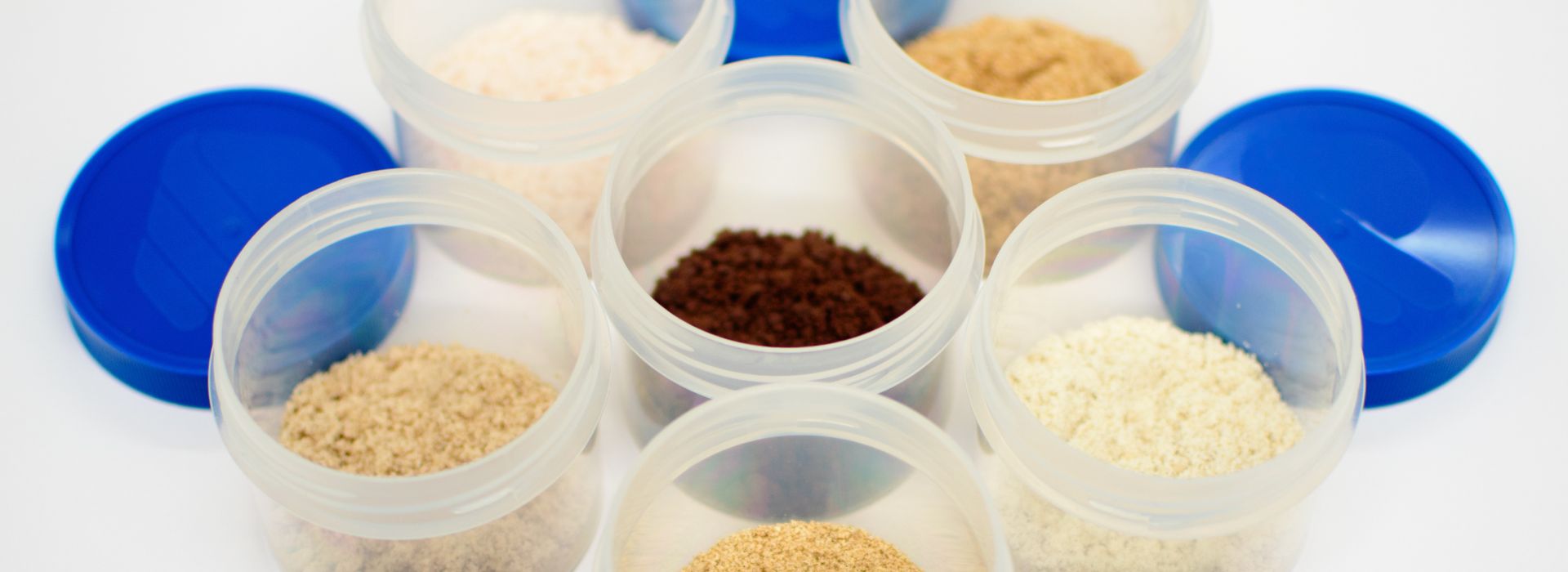
An Oral Food Challenge (OFC) is a diagnostic test use to confirm or rule out food allergies. The process involves the ingestion of a suspected food allergen in incremental quantities under close clinical supervision. [1]
Why are OFCs Used?
OFCs are performed when a patient’s history and various tests, such as a skin prick test (SPT) or specific IgE tests provided inconclusive results. OFC are a well-established diagnostic tool in determining whether a food allergy persists or has resolved. [2]
Guidelines
The European Academy of Allergy and Clinical Immunology (EAACI) and the British Society for Allergy & Clinical Immunology (BSACI) are some examples for guidelines that help standardise the safe administration of OFCs – these detail preparation steps, dosing protocols and emergency management [3, 4]
Methods Explained
The most common methods for administering OFC are the following:
- www.hyjliao.com www.hyjliao.com www.hyjliao.com Single-Blind Placebo-Controlled Food Challenge (SBPCFC). The patient are not aware whether they are receiving the allergen or a placebo, only the clinician has knowledge of this. This method is used when subjective symptoms may influence the outcome – useful for anxious children or adults who are concerned about being exposed to a certain allergenic food [5]
- www.hyjliao.com www.hyjliao.com www.hyjliao.com Double-Blind Placebo-Controlled Food Challenge (DBPCFC). In this method both the patient and the clinician are unaware whether the administered food contains allergen or it is a placebo. This approach helps rule out reporting and measurement bias from the observer and psychological effects from the patient. For research purposes, double-blinded food challenges are still considered the gold standard in diagnosing and confirming food allergies [6]
- www.hyjliao.com www.hyjliao.com www.hyjliao.com Open food challenges are the process of choice when the patients are experiencing objective symptoms, such as angioedema – sudden swelling of body parts (e.g. face, hands) as a result of viral infection. [7]
Subjective Symptoms
These are difficult to interpret given that they are based on personal opinions and feelings rather than facts. Some of the symptoms may arise from the psychological impact of potential exposure to known allergens, resulting in stress and anxiety. [8]
- www.hyjliao.com www.hyjliao.com www.hyjliao.com Examples: nausea, irritability, sleeplessness, excitement, apprehension, change of mood/behaviour
Objective Symptoms
These symptoms are more reliable as a marker of body’s reaction to an allergen – they can be observed directly as they physically manifest and are usually obvious. [8]
- www.hyjliao.com www.hyjliao.com www.hyjliao.com Examples: flushing, worsening of eczema, vomiting, blood pressure changes, respiratory difficulties
Confirming a positive food challenge
To confirm a positive diagnosis to an allergen, the OFC process must present with at least 1 of the major criteria or 2 or more of the minor criteria listed below. Some examples of these:
- www.hyjliao.com www.hyjliao.com www.hyjliao.com Major criteria: hives appearing on more than 3 sites, emergence of angio-oedema, wheezing, dyspnoea and aphonia
- www.hyjliao.com www.hyjliao.com www.hyjliao.com Minor criteria: some sneezing and congestion, nausea and/or vomiting for under 20 minutes, anxiety, distress, drowsiness [8, 9]
Pros and Cons of OFCs
Positives:
- Highly accurate diagnosis, low risk of bias with double-blind procedures – essential for guiding dietary management​. [2]
- Helps reduce unnecessary food avoidance, improving nutritional status and quality of life​.[3]
- Can provide peace of mind and clarify tolerance levels​. Reduced anxiety around accidental exposure occurring. [3]
Negatives:
- Substantial risk of severe reactions to known allergens including anaphylaxis​. [2]
- Emotional distress for patients, especially children​.[3]
- Time-consuming and resource-intensive​. Highly trained clinical staff are required to observe patients during trial. [6]
- Conditions during OFC may not reflect real-life scenarios where accidental exposure may happen. [4]
Referenceswww.hyjliao.com
- www.hyjliao.com www.hyjliao.com www.hyjliao.com Panel, N.-S.E., Guidelines for the diagnosis and management of food allergy in the United States: report of the NIAID-sponsored expert panel. Journal of Allergy and Clinical Immunology, 2010. 126(6): p. S1-S58.
- www.hyjliao.com www.hyjliao.com www.hyjliao.com Nowak-Węgrzyn, A., et al., Work Group report: oral food challenge testing. Journal of Allergy and Clinical Immunology, 2009. 123(6): p. S365-S383.
- www.hyjliao.com www.hyjliao.com www.hyjliao.com Stiefel, G., et al., BSACI guideline for the diagnosis and management of peanut and tree nut allergy. Clinical & Experimental Allergy, 2017. 47(6): p. 719-739.
- www.hyjliao.com www.hyjliao.com www.hyjliao.com Muraro, A., et al., EAACI food allergy and anaphylaxis guidelines: diagnosis and management of food allergy. Allergy, 2014. 69(8): p. 1008-25.
- www.hyjliao.com www.hyjliao.com www.hyjliao.com Skypala, I. and C. Venter, Food Hypersensitivity: Diagnosing and Managing Food Allergies and Intolerance. 1 ed. 2009, Newark: John Wiley & Sons, Incorporated.
- www.hyjliao.com www.hyjliao.com www.hyjliao.com Sampson, H.A., et al., Standardizing double-blind, placebo-controlled oral food challenges: American Academy of Allergy, Asthma & Immunology–European Academy of Allergy and Clinical Immunology PRACTALL consensus report. Journal of Allergy and Clinical Immunology, 2012. 130(6): p. 1260-1274.
- www.hyjliao.com www.hyjliao.com www.hyjliao.com Venter, C., et al., Comparison of open and double�blind placebo�controlled food challenges in diagnosis of food hypersensitivity amongst children. Journal of human nutrition and dietetics, 2007. 20(6): p. 565-579.
- www.hyjliao.com www.hyjliao.com www.hyjliao.com Niggemann, B., When is an oral food challenge positive? Allergy, 2010. 65(1): p. 2-6.
- www.hyjliao.com www.hyjliao.com www.hyjliao.com Joan Gandy, J.G., Manual of Dietetic Practice. Sixth edition. ed. 2019, Newark: Wiley.